Retail Industry Challenges: How SAP Solutions Can Help?
The retail industry has undergone significant transformations in recent years, with technology playing a major role in driving changes. From shifting consumer behavior to increasing competition, retail businesses are facing numerous challenges that require innovative solutions. One such innovation is SAP solutions in retail industry, which help retailers optimize operations, improve customer experiences, and enhance overall efficiency. In this blog, we'll explore some of the key challenges facing the retail industry today and how SAP Retail software solutions can provide effective answers.
Key Challenges in the Retail Industry
The retail sector is evolving rapidly due to several factors, many of which present significant challenges for businesses. Understanding these challenges is crucial to exploring how SAP solutions can address them.
Evolving Consumer Expectations
Consumers today expect more personalized, seamless experiences both in-store and online. With the rise of e-commerce giants like Amazon and global retailers offering customized shopping experiences, retailers are under pressure to meet these high expectations. Customers want tailored recommendations, fast deliveries, flexible payment options, and excellent customer service. Managing and adapting to these demands is a major challenge for retailers.
Supply Chain Complexity
The global supply chain has become more complicated, especially with the increased demand for products driven by e commerce. Retailers are dealing with inventory shortages and delays in shipping, and disruptions in the supply chain due to geopolitical factors, natural disasters, and more.Managing an efficient supply chain that can respond to fluctuating demand is no easy feat.
Inventory Management
In today’s fast paced retail environment, effective inventory management is essential for ensuring product availability without overstocking. Retailers face challenges in accurately predicting demand and managing stock levels across multiple locations, and avoiding waste due to expired or unsold goods. With products moving quickly, and trends changing even faster and it’s critical to maintain a robust system to track and manage inventory.
Omnichannel Integration
With the growth of e-commerce, retailers are increasingly adopting omnichannel strategies that enable customers to shop across multiple platforms, including physical stores, mobile apps, and online marketplaces. However, this comes with its own set of challenges, such as ensuring a consistent customer experience, managing orders across various channels, and integrating back end systems for inventory and pricing, and promotions.
Data Security and Privacy
As retailers gather vast amounts of data on consumer preferences, shopping habits, and transactions, ensuring data security and privacy has become a major concern. Retailers must comply with strinent regulations, such as GDPR, while safeguarding customer information from cyber threats. Maintaining the trust of customers while balancing the need for data driven insights is a delicate task.
How SAP Solutions Can Address Retail Challenges?
Now that we've outlined the challenges, let's dive into how SAP solutions in retail industry can help businesses navigate these obstacles and stay competitive in an increasingly complex marketplace.
Enhancing Customer Experiences with Personalization
One of the greatest advantages of SAP Retail software solutions is their ability to support personalized customer experiences. SAP leverages powerful tools like SAP Commerce Cloud and SAP Customer Data Cloud to provide retailers with a 360 degree view of their customers. By analyzing customer data, retailers can offer tailored recommendations, personalized promotions, and customized shopping experiences across all touchpoints. This level of personalization can help retailers not only improve customer satisfaction but also boost customer loyalty. For instance, SAP solutions enable real time tracking of customer interactions and which helps in delivering personalized messages, offers, and products. This approach is key in staying competitive and meeting consumer expectations.
Streamlining Supply Chain Management
Managing the complexity of modern supply chains requires advanced solutions, and SAP solutions in retail industry offer robust tools for optimizing supply chain operations. SAP Integrated Business Planning (IBP) helps retailers forecast demand, manage inventory levels, and streamline distribution across multiple channels. By leveraging data analytics, SAP allows retailers to predict supply chain disruptions and optimize their logistics to ensure products are delivered on time.
Moreover, SAP’s cloud based solutions provide real-time tracking and visibility into supply chain performance, enabling retailers to respond quickly to changes in demand or unexpected supply chain interruptions. This agility is critical for meeting consumer demands and maintaining profitability.
Improving Inventory Management
Effective inventory management is another area where SAP Retail software solutions can make a significant impact. SAP’s Inventory Management and SAP Extended Warehouse Management (EWM) solutions provide end-to-end visibility, helping retailers keep track of stock levels, minimize stockouts, and reduce excess inventory. By integrating with other systems, SAP solutions ensure that retailers have real-time data on inventory across all their locations, whether it’s a physical store or an online warehouse.
SAP also uses advanced algorithms to help retailers predict demand more accurately, ensuring they stock the right products in the right quantities at the right time. This predictive capability is essential for improving operational efficiency, reducing costs, and optimizing the customer experience.
Facilitating Omnichannel Integration
To stay competitive, retailers need to integrate their physical and digital operations seamlessly. SAP offers omnichannel solutions that allow retailers to provide a consistent experience across all customer touchpoints. SAP S/4HANA, for example, integrates back-end systems such as inventory, pricing, and order management across various sales channels, ensuring a unified view of the customer and real-time synchronization of inventory and order status.
Whether a customer buys a product online, picks it up in-store, or returns an item via a different channel, SAP’s omnichannel solutions make the process smooth and efficient. This reduces the risk of errors, improves customer satisfaction, and allows retailers to optimize their supply chain and sales processes.
Ensuring Data Security and Compliance
As data privacy and security concerns continue to rise, retailers must ensure that they protect their customers’ sensitive information. SAP solutions in retail industry prioritize security, providing robust protection against cyber threats and compliance with global regulations such as GDPR.
SAP’s platform ensures that customer data is encrypted and stored securely. In addition, SAP’s governance, risk, and compliance (GRC) solutions help retailers monitor and manage their compliance with local and international regulations, reducing the risk of penalties or reputational damage.
SAP also provides tools for data anonymization and secure data sharing, ensuring that retailers can use customer data for personalized marketing and business analytics while maintaining privacy and security.
Data-Driven Decision Making with Analytics
Data is one of the most valuable assets in the modern retail environment, and SAP offers powerful analytics tools to help retailers make informed, data-driven decisions. Using SAP Retail software solutions, businesses can leverage data from various sources, including sales, customer interactions, and inventory levels, to gain valuable insights.
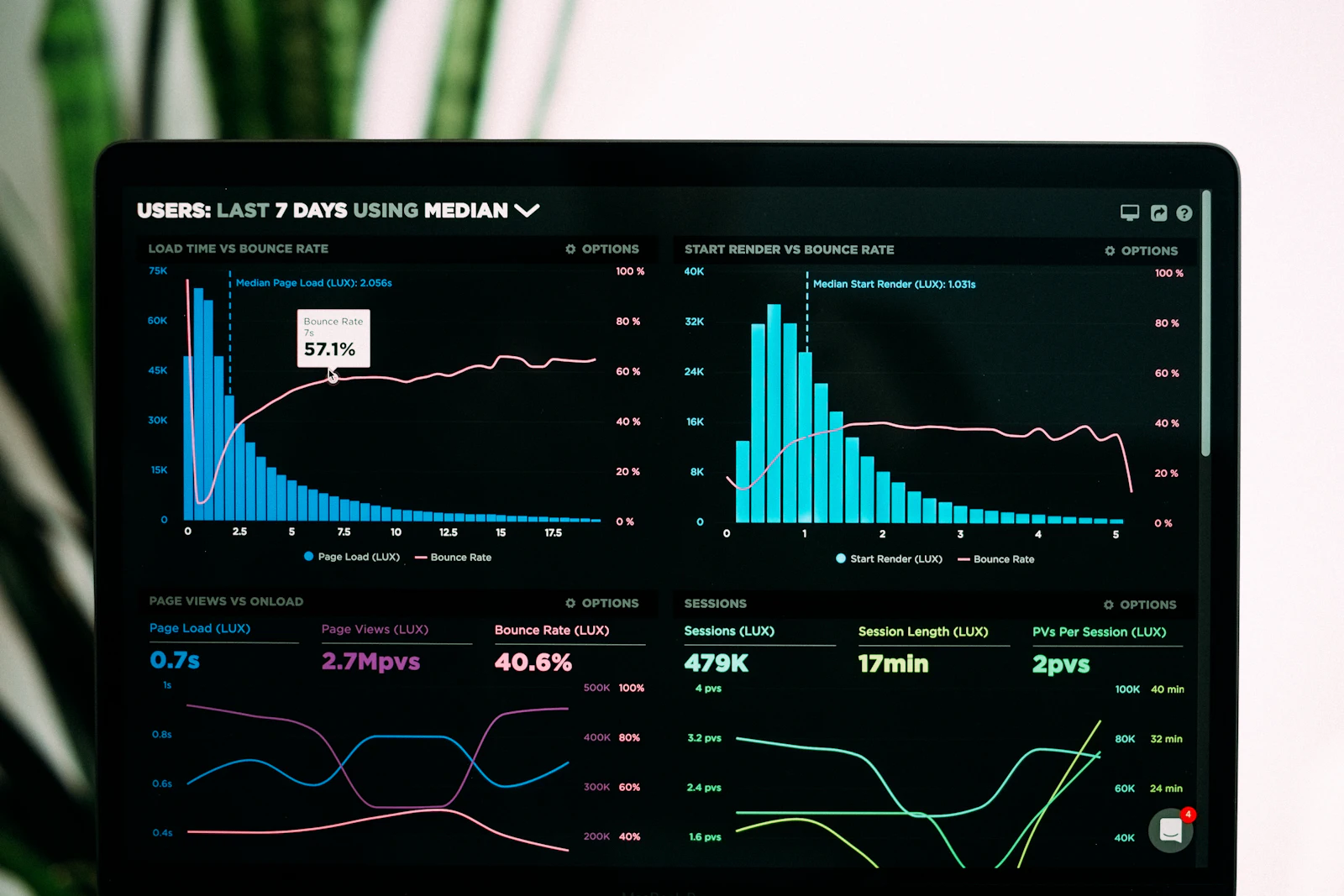
SAP Analytics Cloud, for example, allows retailers to create real-time dashboards and reports, providing a clear picture of business performance. With these insights, retailers can identify trends, optimize pricing strategies, improve marketing efforts, and make better business decisions.
Concluding Remarks
The retail industry faces numerous challenges, from evolving consumer expectations to supply chain complexities and the need for omni channel integration. However, SAP solutions in the retail industry provides a comprehensive suite of tools that can help retailers overcome these obstacles and stay competitive. Whether it’s improving' customer experiences through personalization and optimizing supply chains, or enhancing inventory management, SAP Retail software solutions provide the functionality and flexibility that modern retailers need to thrive. By leveraging SAP’s powerful technology stack, retailers can not only address current challenges but also position themselves for long term success in an increasingly digital and interconnected world. With the right SAP solutions, the future of retail is not only more efficient but also more customer-centric and profitable. The New Equation is a reliable establishment for SAP solutions.